Posts Tagged ‘Jessica O’Dwyer’

Pictures from a service trip to Guatemala, part 2

Tuesday, May 15th, 2012

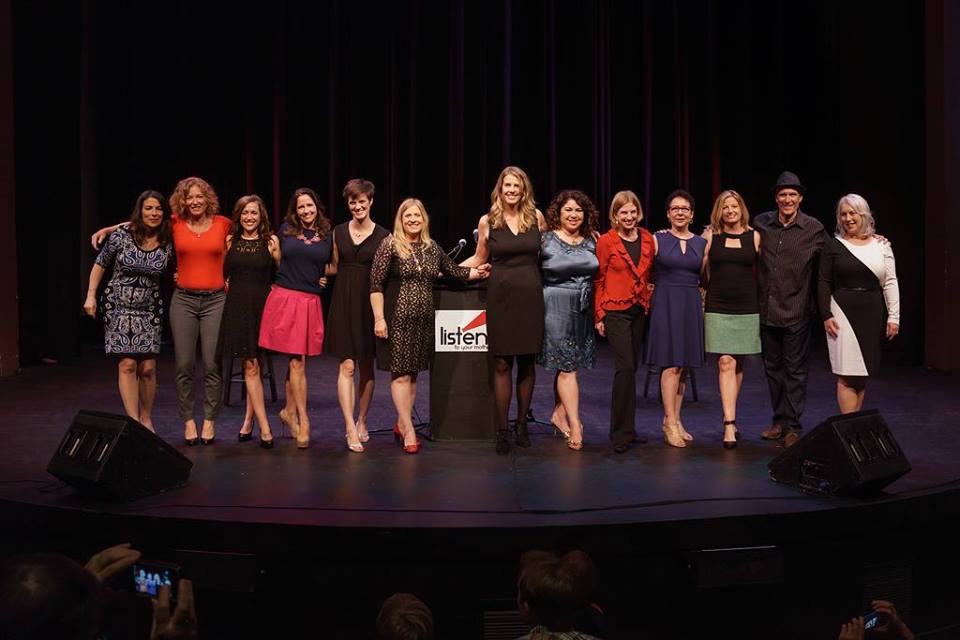
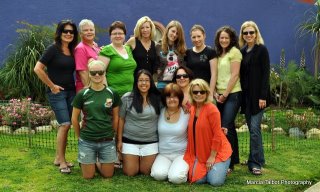
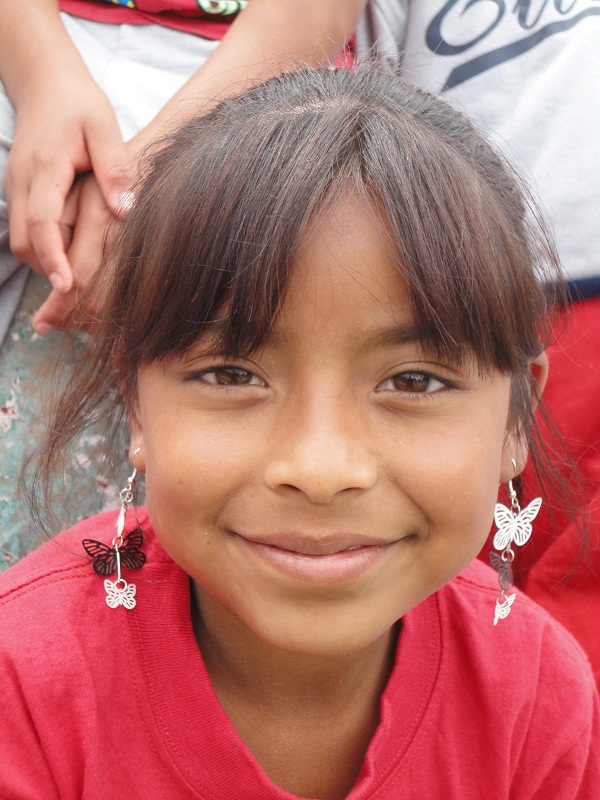
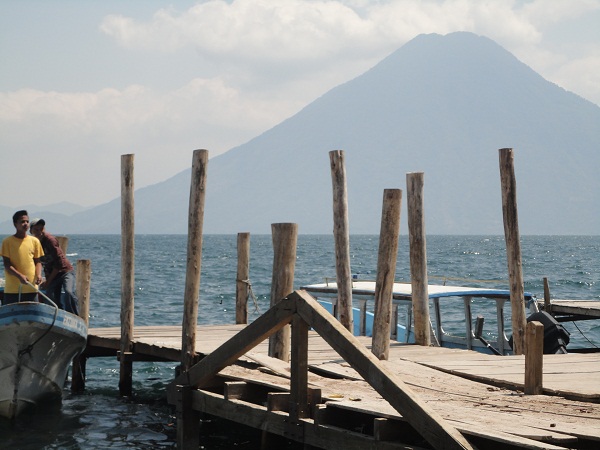
Before leaving the subject of my service trip to Guatemala, I’m posting a few more photos of places we went and people we met. The orphanages we visited are privately (not government) run and funded, mainly by donations from individuals and families. Our trip was led by adoptive mom Leceta Chisholm Guibault, founder of  “Service Trips to Guatemala with Leceta,” aka “Team Ceta” (top row, far left), and Sandra Hurst (top row, third from left), long-time staffer from sponsor Orphan Resources International (ORI).  Several folks have emailed me with questions about my experience. Here’s a sampling, with my answers:

What is a service trip and why did you choose to go on one?

A service trip can be specifically project-based, such as building a house or community center, setting up or working in a medical clinic, installing water filters or stoves, or teaching skills or languages. Over the years, I’ve seen countless teams of volunteers on my flights to Guatemala and I was curious about the phenemenon. I chose to join “Team Ceta” because I have long admired Leceta Guibault’s leadership in the international adoption community.

What did you do on your trip?

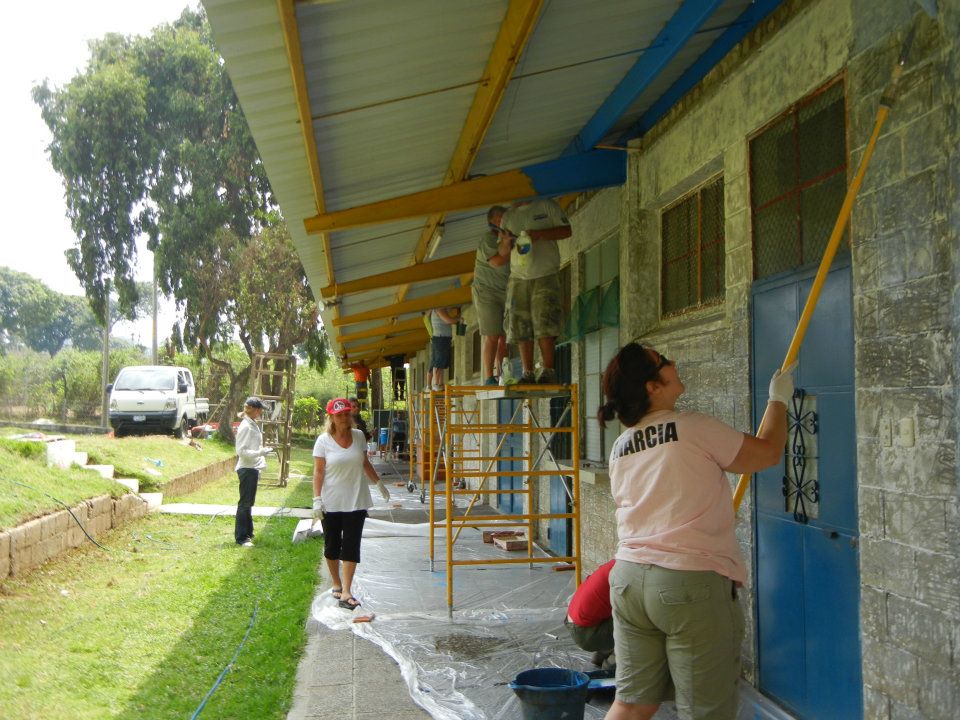
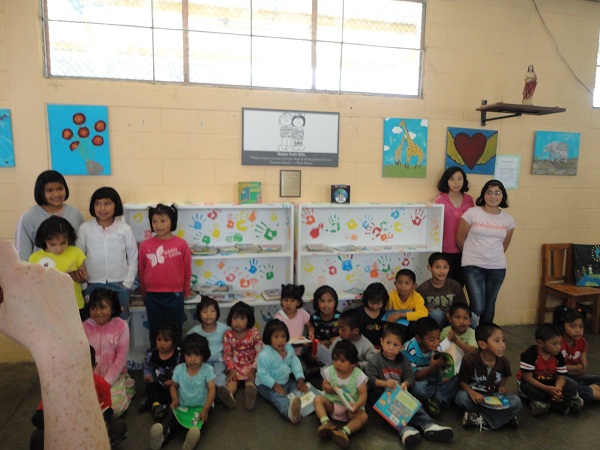
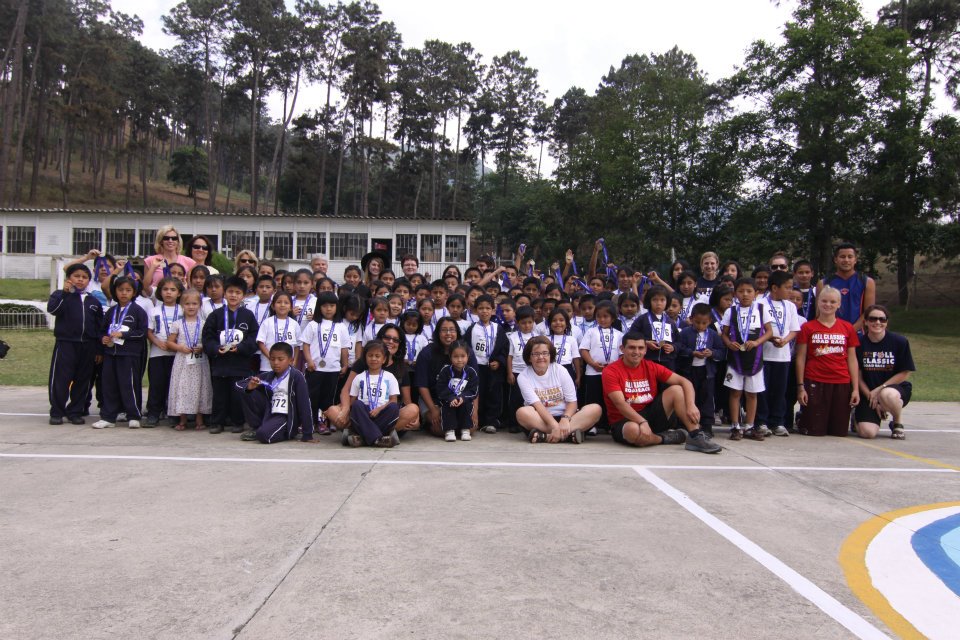
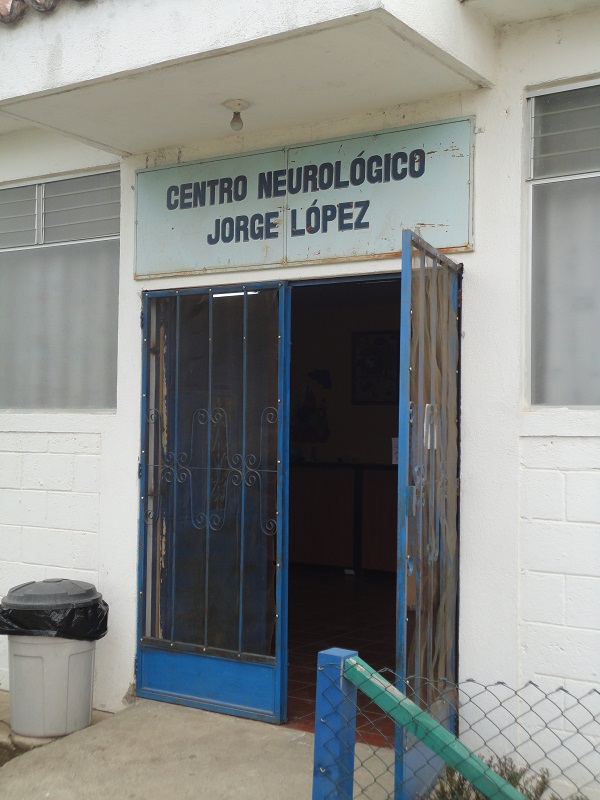
Each service trip is different, according to current need. On this sojourn, most of Team Ceta and ORI’s efforts centered on an orphanage, Misioneros del Camino, founded and run by the inspirational Leonor Portelo, a Cuban-born widow who has dedicated her life to helping the children of Guatemala since 1986. Team Ceta volunteers who possess skills in working with children with disabilities and/or speech therapy assisted in the neurological clinic. Others built and installed two bookshelves, and painted the exterior of the dining hall. One volunteer organized and led a Fun Run in which we all participated; others supervised crafts and photography projects. In addition, we hosted activities for the children at Rosa de Amor and My Special Treasure orphanages. There was no shortage of things to do.

Wasn’t it hard on the children for you to interact with them for only a brief time?

I speak a little bit of Spanish, which allowed me to chat with the kids at each of the orphanages we visited and ask their opinions. Perhaps they were only being polite, but every one of them said they liked having us there, that it was something different to do, someone else to talk to; that our conversations were interesting, about a world beyond the orphanage fence. I should emphasize that most volunteers, in general, do not interact with children to the same degree that Team Ceta did on this trip, but focus their efforts on building, painting, or delivering food or health services.

Guatemala can be a dangerous country. Did you feel safe?

Team Ceta and ORI assign volunteers to serve only in areas that are known to be safe for tourists, around Lake Atitlan and Antigua. We traveled by private shuttle or bus, with a bilingual guide.

How were the accommodations? What about the food?

We bunked two to a room in a lovely mission home used by Orphan Resources International called “My Father’s House.”  The food was fabulous. In fact, I think this was the first trip I’ve ever taken to Guatemala where I didn’t lose weight.

Would you go on another service trip?

Absolutely yes. The sooner the better! ~


Photo above, top from left: Leceta Chisholm Guibault, Alison Caissie, Sandra Hurst, Dianne Sharpe, Meghan Talbot, Stephanie Finney, Adele Griffith, Jessica O’Dwyer. Bottom row, from left: Robyn Caissie, Kahleah Guibault, Hilary Umbach, Marcia Harvey Talbot, Mary Bain Sebastian. Photograph courtesy Marcia Talbot Photography.

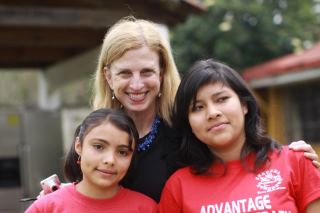
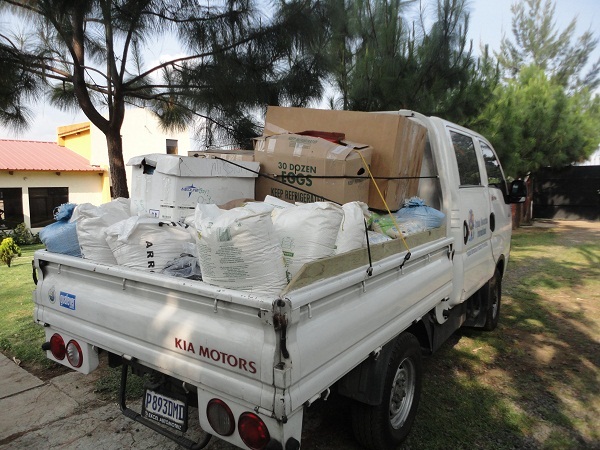
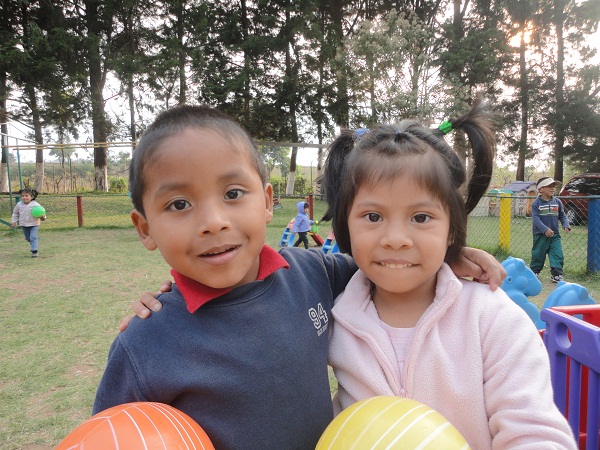
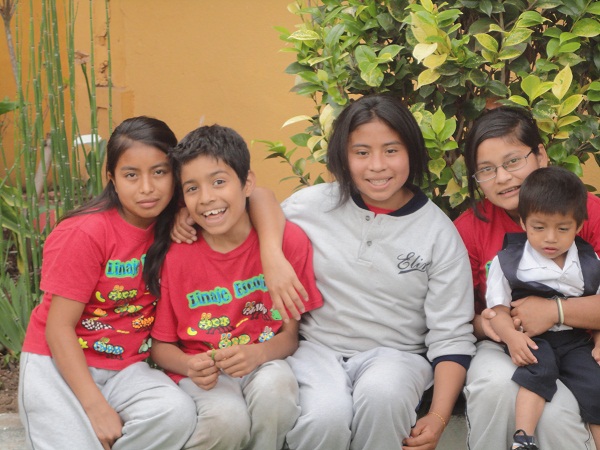
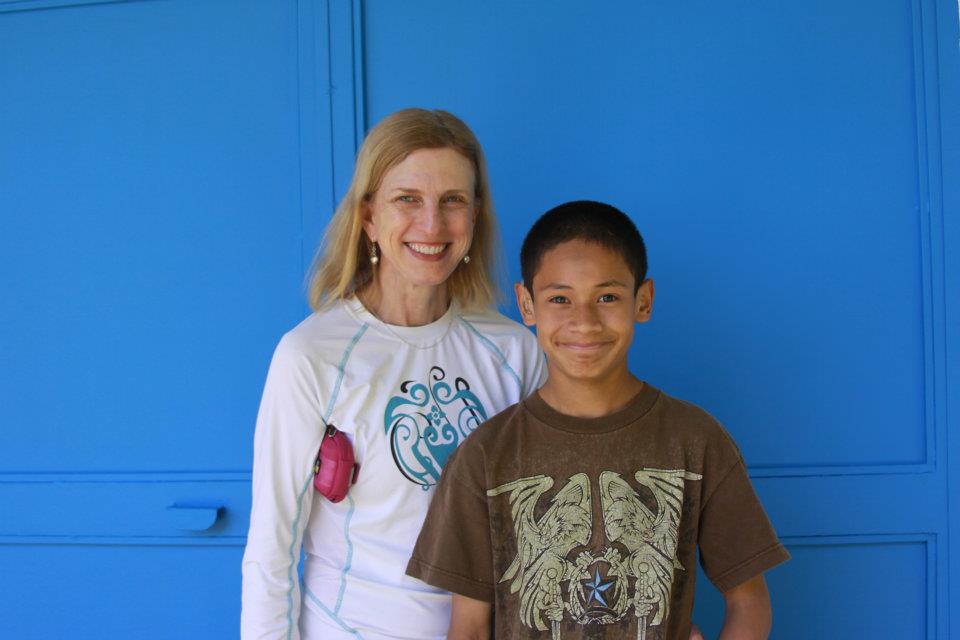
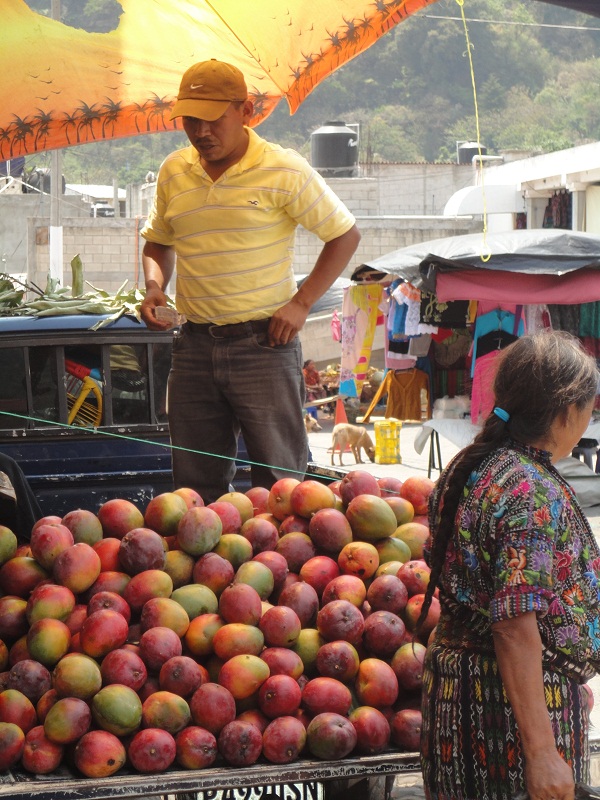
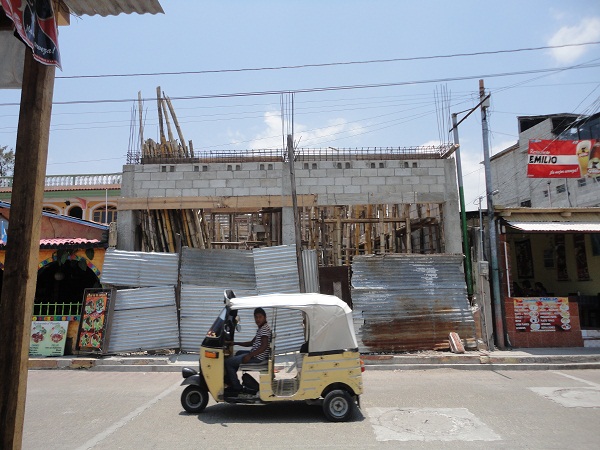
Photos below: Painting the dining hall, young friends, food delivery truck, two children, the new bookshelves, Fun Run, neurological clinic, more young friends, blue door. Dining hall photo courtesy of Adele Griffith. Photos of young friends, Fun Run, and blue door courtesy Mary Bain Sebastian Photography.


ShareThis
Pictures from a service trip to Guatemala

Wednesday, May 9th, 2012


It’s Wednesday and I’m still struggling to regain my equilibrium after a 10-day service trip to Guatemala headed by adoptive mom Leceta Chisholm Guibault, affiliated with Orphan Resources International in Ephrata, Pennsylvania. Among other activities, we volunteered at an orphanage and neurological clinic, painted the exterior of a large building, hosted a Fun Run, and delivered food (lots of it–100 pound bags of beans and rice; sacks full of maseca to hand-make tortillas; more sugar than I would have imagined; and fortified powder to constitute a special protein-enhanced milk).

I met other women as in love with Guatemala as I am, and dozens of children I will never forget.


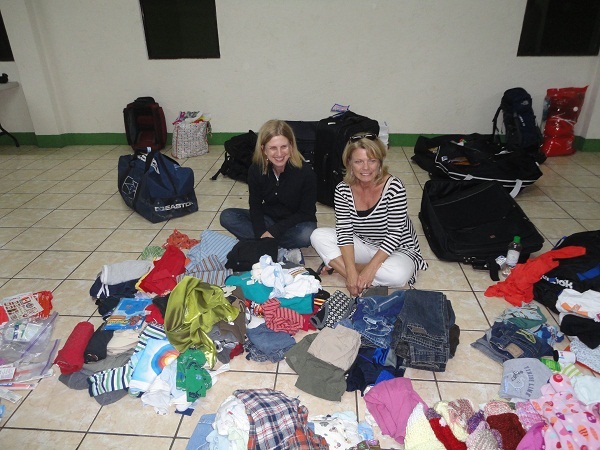
Over the next few weeks, I hope to make sense of it all. In the meantime, here are photos from our first days, beginning with my children’s send-off in California that included suitcases bulging with donations (thank-you, friends!), to sorting clothes into categories with fellow volunteer and adoptive mom Mary Bain Sebastian (above), to stops in Panajachel and Santa Cruz, on Lake Atitlan.

Trusting a picture can indeed say a thousand words. ~


ShareThis
Alfombras and cascarones

Sunday, April 8th, 2012

I’ve never spent Semana Santa in Antigua, but someday!

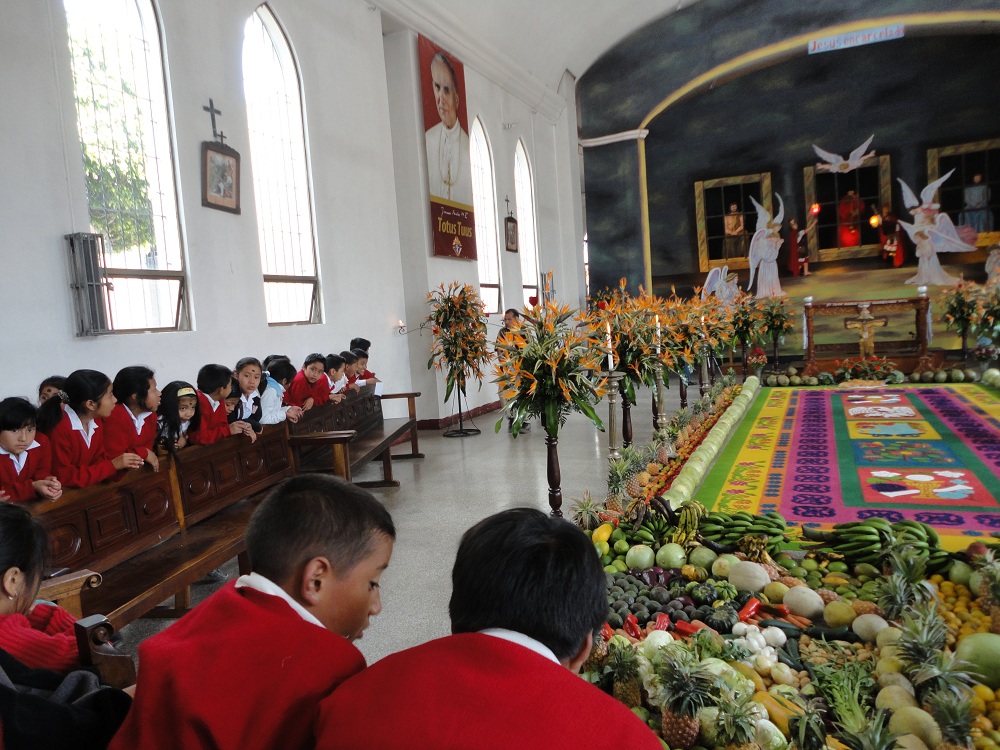
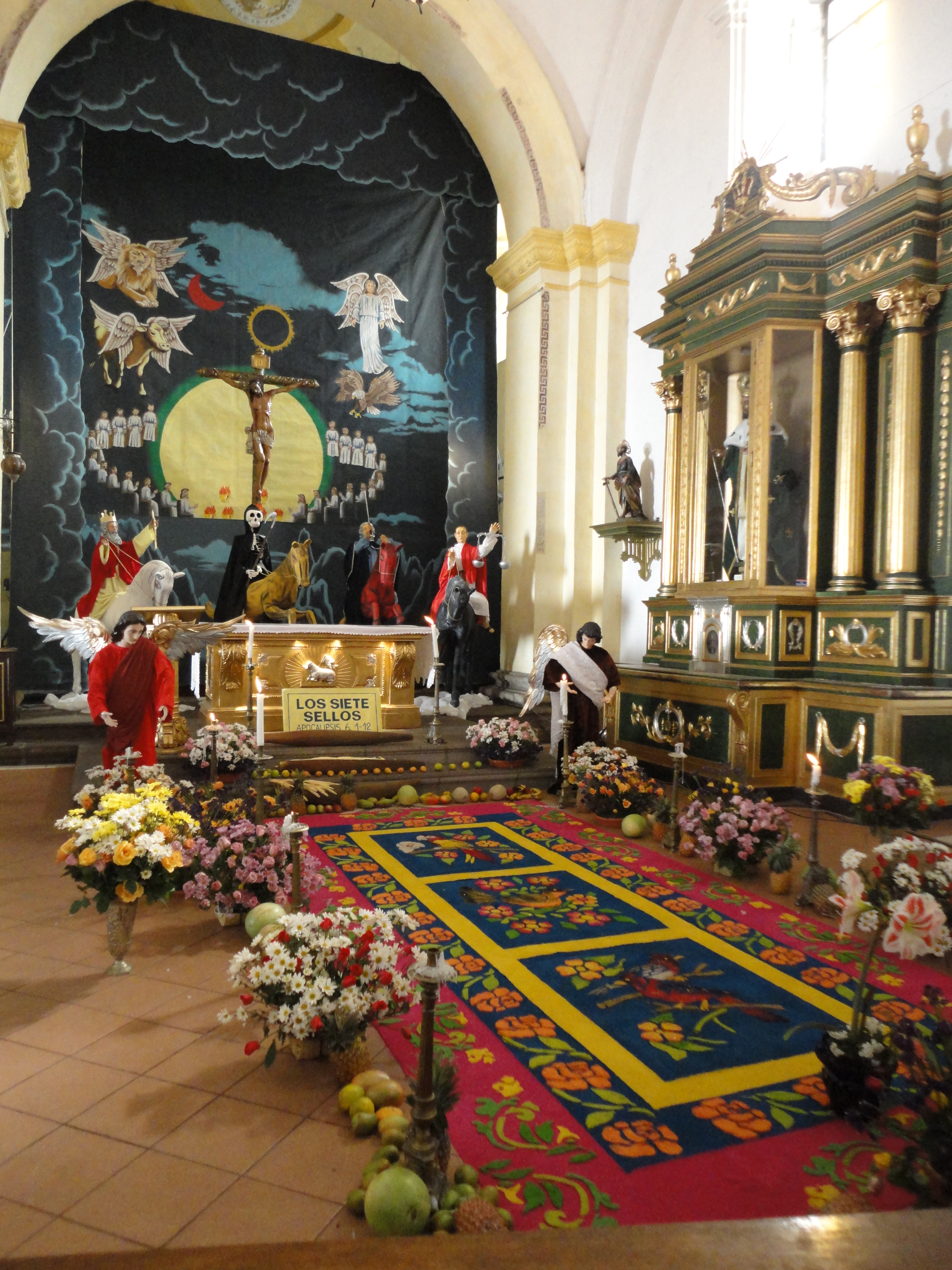
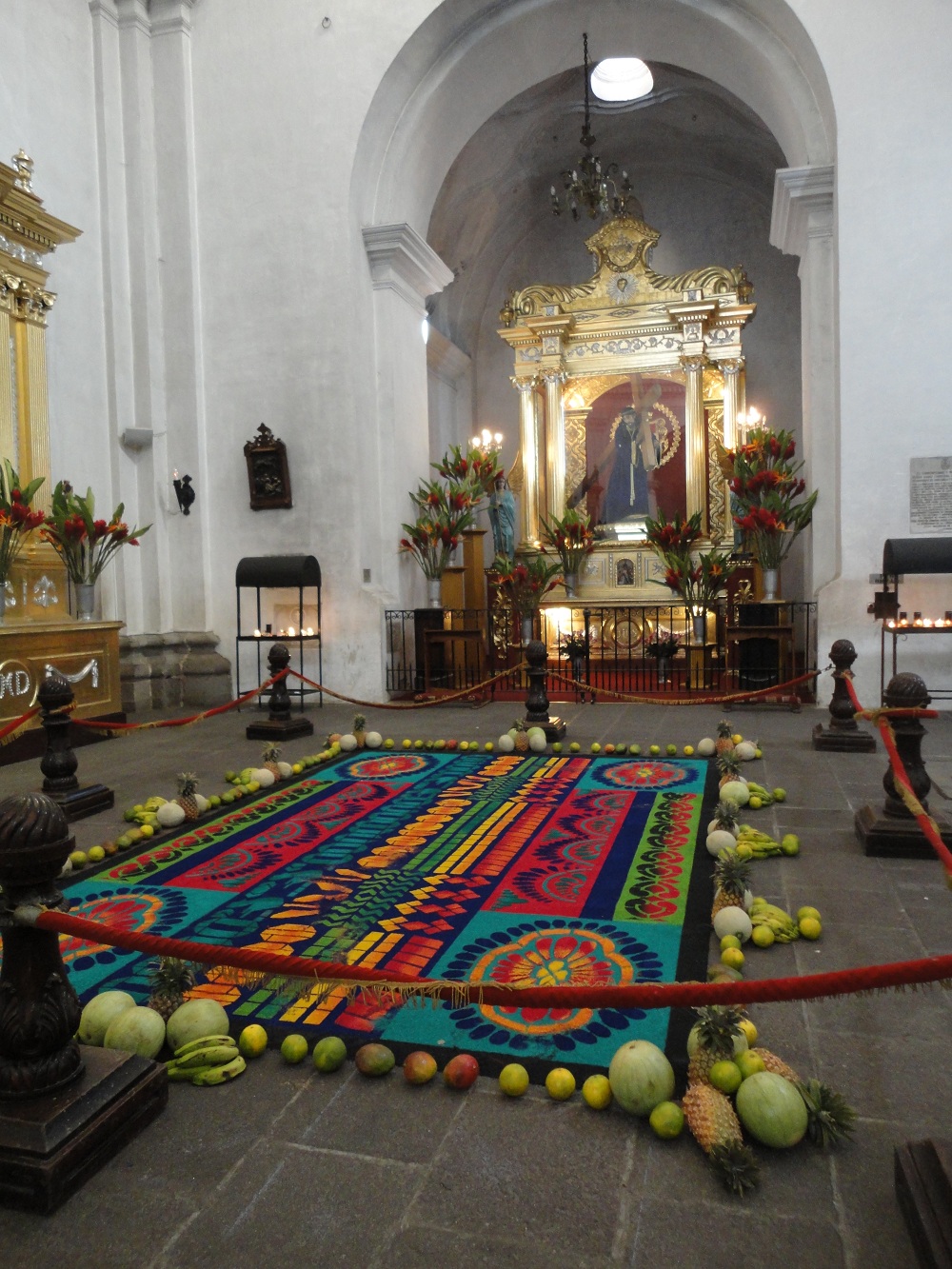
However, as I mentioned in an earlier post, our trip to Guatemala this year coincided with Ash Wednesday, and we were lucky enough to view a few spectacular alfombras, or sawdust carpets. I’ve posted photos here, taken at the churches in San Felipe de Jesus (above), at La Merced, and La Cathedral (below).

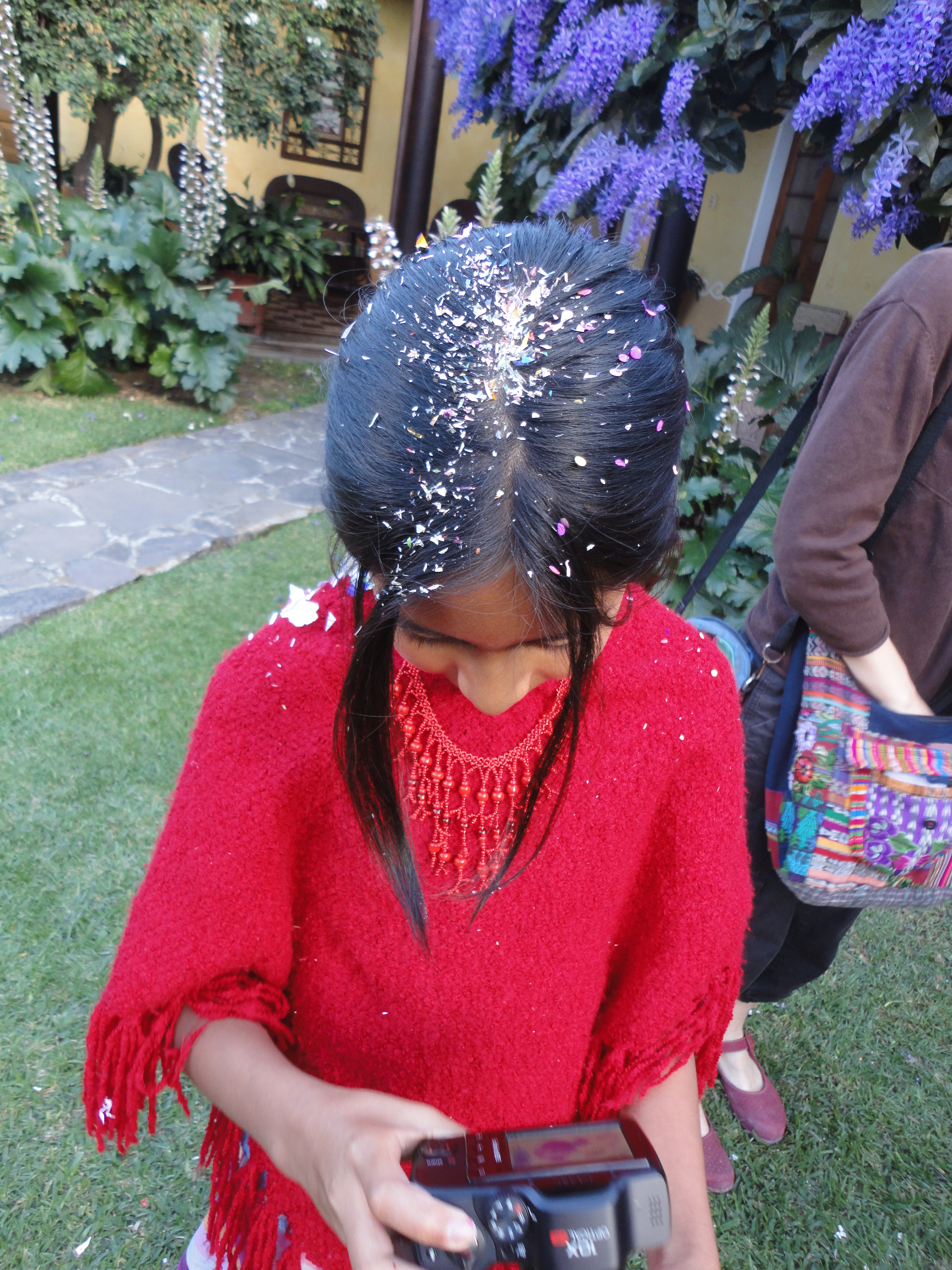
At the very bottom, you’ll see a photo of Olivia with bits of paper in her hair. This Ash Wednesday tradition is known as cascarones, where children take hollowed-out eggs filled with pica pica, or small colorful bits of paper, and smash them against each others’ heads.  Last year, we celebrated Ash Wednesday in Panajachel, where we noticed teenagers smashing real eggs all over each other. Not sure if that’s unique to teenagers, or Panajachel, but our children loved watching the oozing yolks. 

Happy Easter, Happy Passover, Happy Sacred Season!

ShareThis

Dillon International’s Guatemala Heritage Weekend, and Antigua.

Thursday, March 22nd, 2012

This weekend, Mateo and I will travel to Tulsa, Oklahoma, where I’m speaking at Dillon International’s Guatemala Heritage Weekend. I’m honored because Dillon is one of the nation’s oldest, most established adoption agencies, whose stated mission is “providing the best lifetime of care for each homeless child we are privileged to serve.” Mateo is thrilled, too, because he will get to play with friends he met last summer at MOGUATE, a confab of families with children born in Guatemala which was founded by the amazing Cindy Swatek (below left), and held annually in  Lake of the Ozarks, Missouri.

In fact, it was another mother from Moguate, Susan Carter (below, far right), who recommended me to the folks at Dillon. (Susan managed the mercardo at Moguate, where, I confess, I undoubtedly numbered among her best customers.) So, as you can see, the world of adoption from Guatemala is small, and every day, gets smaller.

Which I view as a great thing!

Example: In February, my sister, Patrice; Olivia, and I made our annual trek to Guatemala to visit with Olivia’s birth family and experience her beautiful birth country. We’ve done this for the past several years–read a few accounts here and here and here– and each year the trip has been special in its own unique way.

Unique about this trip is that for the first time ever, we met up with two other adoptive families, whom I had met in Boston during my Mamalita book tour. Sharing the experience with the other families–Carly, Christina, and their husbands and kids–made our usual wonderful experience even more so. The kids bonded instantly, and we grown-ups did, too.

I cherish my connections formed through adoption, not only to my children’s birth country and their birth mothers and siblings, but to other adoptive families, too. E.M. Forster once famously said, “Only connect.” If you’ve connected with me in any way through adoption, please know how grateful I am for your friendship. Wherever you live, I hope you’ve also found a community.

See you in Tulsa!~

ShareThis

An article about a Guatemalan midwife

Tuesday, December 27th, 2011

Here’s a link to Guatemala’s Golden Midwife, a fascinating and informative article by Catherine Porter of the Toronto Star, mostly about traditional birthing practices among indigenous women in a rural area in Guatemala, but also about the complexity of modern life for many Guatemalans.

SAN JUAN OSTUNCALCO, GUATEMALA—Another woman arrived early this morning at Ruth Ana Maria Perez’s house, across from a small corn field on the very edge of town.

She lies now in Perez’s concrete, purple front room, on a green plastic mattress tucked into a turquoise wooden bed. It is cold and damp; the rain pours down every afternoon. Perez checks her pulse, pulls a needle from a box in the glass cabinet near the bed and, after filling it with rociverine (a muscle relaxant), she pokes it into the woman’s exposed haunch.

“She’s five centimetres dilated,” Perez says. “This will help open her faster.”

Dona Ana, as she is known, is the most successful midwife in town. She delivered her first baby at age 11, when her mother — a midwife — was too ill to get out of bed. Since then, she has ushered 11,000 souls into the world, up to 10 a week during a full moon.

Her success glows from her mouth — a row of gold stars embedded in her top teeth. Her butter-coloured two-level house is grand by local standards. There are two cars parked out back. And she can afford the cabinet of swabs, medication, surgical scissors and latex gloves.

She has never been trained to use any of it. Nor was she trained, formally or informally, to attend births. Like most Mayan midwives, Perez considers her midwifery a “don” — a skill she was born with.

***

Almost 500 years since the Spanish infantry conquered the Mayan K’iche’, Guatemala remains a divided country. There are the Spanish-speaking Ladinos, with their jeans, light skin and briefcases, who live in the southern cities. And there are the Mayan descendants, who live in the north and western highlands, tilling the milpa — corn fields — in their skirts and huipels. They speak their own languages — 21 Mayan languages are used in Guatemala — and retain many of their customs and beliefs, including those of medicine.

For Mayans, illness results from imbalance, often between hot and cold. Their main curative is the tuj — steam bath. They are behind most houses: waist-high, made of mud bricks or cement, with just enough room inside for a bench and fire. The tuj is considered especially important after birth, when a woman has lost much “hot” blood.

It doesn’t matter how well-equipped or even beautiful a hospital is — the regional San Juan de Dios hospital in Quezaltenango is sheltered by whispering pine trees — for many Mayans, it is a symbol of colonial oppression.

Even Mayan doctors I spoke with say they feel degraded in Ladino hospitals when they arrive as patients. They are made to change into thin hospital gowns, showered, and then taken to a sterile birthing room to deliver their babies alone, without the support of family.

That’s standard practice, the obstetricians at San Juan de Dios told me. But, the Mayan women don’t understand. Despite the prominent sign declaring every pregnant woman will be treated in her own language, doctors acknowledge none of their colleagues speak Mam, the predominant language of San Juan Ostuncalco. The sign is written only in Spanish.

***

[Dona Ana's] current patient lies corpse-quiet in the turquoise bed. She whispers that her name is Lorenza Augustin. She’s 33. She is from Las Barrancas, the canyons — a rural village two hours away by twisting dirt road. Her family farms corn and squash. She has never been to school. She speaks only Mam.

This is her fourth baby. Her three daughters were born in her bed at home. A urinary tract infection early in this pregnancy spooked her family. They decided going to Dona Ana, with her Western medical supplies, would be safer.

They are hoping for a boy.

“Aye,” Augustin says softly, as Dona Ana massages her hips to ease the pain and get her to dilate faster. It’s her version of an epidural — her glass cabinet contains no pain medications.

Dona Ana pulls a chair beside the bed and waits. The room is quiet. A wall clock ticks. Augustin’s breath quickens to a pant during a contraction and then falls silent again.

“She’s very brave,” Dona Ana says.

***

Two days later, Augustin is back in her own bedroom, resting beside her baby in one of two double beds. Her mother-in-law and nieces flit around, bringing cups of hot chocolate and bowls of beef broth. These are considered “hot” foods by Mayans, unlike green vegetables and white meat. For 40 days, while she recovers, Augustin will only eat hot food.

She will stay in bed for that entire time.

The house, which overlooks a lush green valley of trees, is as big as Dona Ana’s. Husband Rogelio Delgado built it with his brother five years ago, using money they had saved while working construction jobs illegally in the United States.

It took him a year to pay off the debt to his smuggler after his first clandestine trip to California eight years ago. Since then, he has snuck across the Arizona desert twice more, sending money home every month. He shows off a large American fridge in the kitchen — a real luxury here — and a bathroom shower, both of which he shipped from California.

Both came at a price.

“My third girl, Sandra Valeria, she was 5 weeks old when I left the last time. When I came back, she was more than 5 years old. She just knew me by my picture. She didn’t come close to me for 15 days,” Delgado says.

The family tuj is next to the driveway. Augustin’s mother lit a fire in it last night, and boiled a giant pot of water for her newest granddaughter’s first sauna. Then, Augustin and her baby went inside together.

The baby still hasn’t been named.

“We are thinking about either Kimberly or Lorenza, like her mother,” Delgado says. The extended family will decide together.

Two things are certain. Her life will be much more comfortable than her mother’s. A school has been built down the valley. Her sisters walk there every day. Her world will expand beyond the milpa, where her mother started working at age 5.

Second, she will grow up in a household of women. Delgado is planning to return to California soon.

ShareThis

Writing Mama on the Squaw Writers’ Workshop

Tuesday, September 13th, 2011

A good friend and fellow Writing Mama, Marianne Lonsdale, wrote a lovely blog post on the Writing Mamas site, The True Spirit of Community at Squaw, about our shared experience this summer at the Squaw Valley Writers’ Workshop. I’m posting the link here, not to applaud myself about how great I am to have written a book, but to encourage anyone else out there trying to tell her story. As Marianne says, the journey is long, the path not usually straight. The takeaway message: Keep writing. Don’t give up. It takes as long as it takes. You’ll get there.

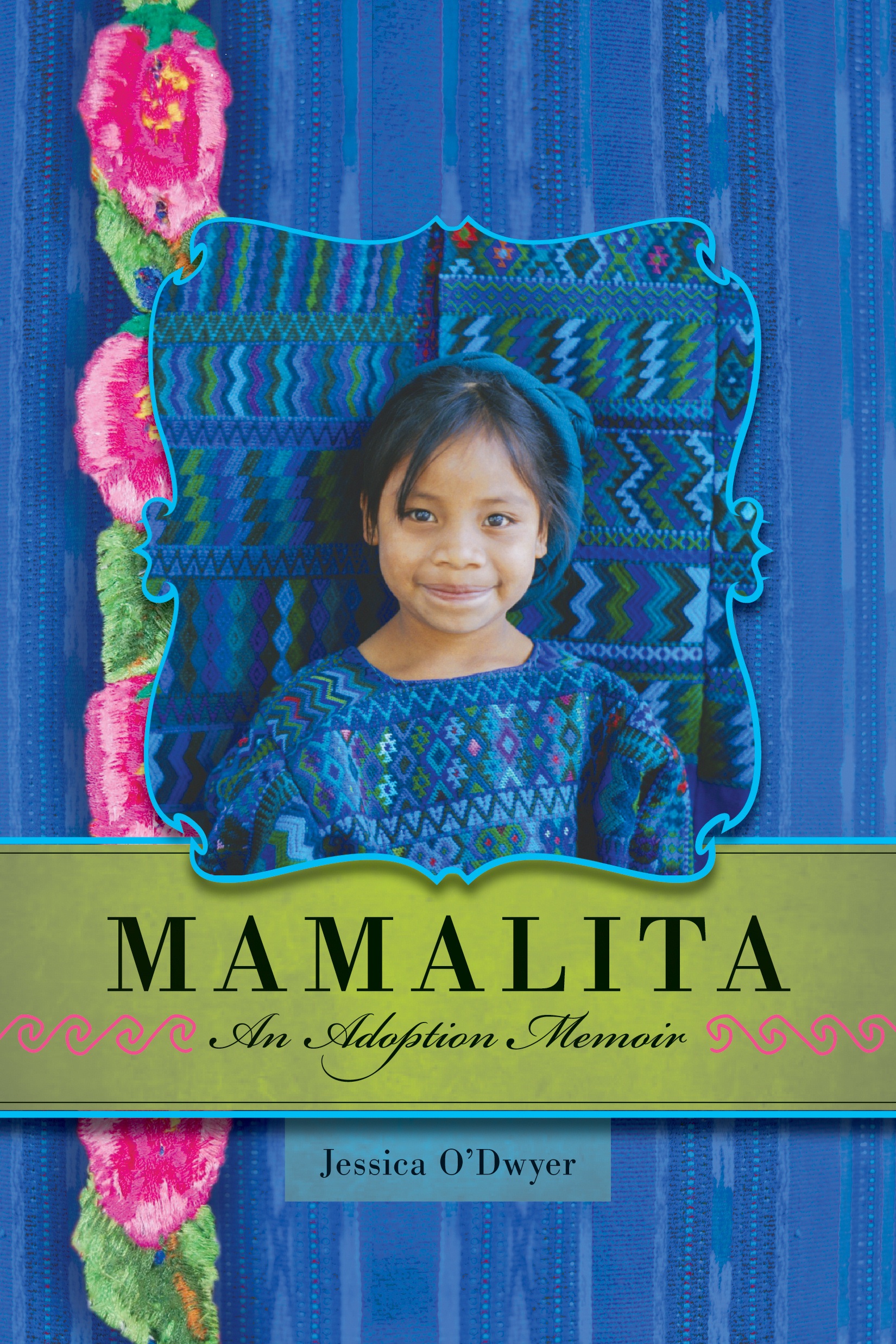
The photo above is of the group at Squaw who participated in the Published Alumni Series. From left, Brett Hall Jones, Sara J. Henry (Learning to Swim), Alia Yunis (The Night Counter), Michael David Lukas (The Oracle of Stamboul), Alma Katsu (The Taker), Jessica O’Dwyer (Mamalita: An Adoption Memoir), Lisa Alvarez.

Reading at Squaw was one of the most memorable experiences of my life. Someday soon, I know I’ll be sitting in the same auditorium, listening to Marianne read from her first novel.

ShareThis

17th Annual San Diego Book Awards names “Mamalita” Best Memoir

Monday, June 13th, 2011


The 17th Annual San Diego Book Awards named Mamalita “Best Memoir” in a ceremony on Saturday, June 12, 2011. Yay!

My sister, Adrienne, and her friend, Claudia, attended the event with me, and when the evening’s host announced my name, my sister screamed. (We O’Dwyers are an enthusiastic bunch.) My entire family is thrilled. In fact, as I write this, my mother is showing off my lovely trophy to her ”Needlework” volunteer group at Pomerado Hospital in Rancho Bernardo. Adrienne and my parents and everyone else in my family shared the Mamalita journey with me–not only the experience, but also the five years I spent afterward, writing about it.  How gratifying to share with them this recognition.

Thank you, everyone!

ShareThis

Dig it, Daddy-o. Oh yeah.

Thursday, June 2nd, 2011

This morning, my daughter Olivia ate her cereal clad in black leggings and a t-shirt, wearing a red beret. Snapping her fingers, she spurted the phrases “Oh yeah. Dig it. Groovy.” After a long pause, she uttered a single syllable: “Wow.”

To anyone who has spent a nanosecond on a college campus or in a bookstore, or even watching TV, Olivia’s behavior can indicate only one thing: Poetry Reading.

An hour later, to the strains of Dave Brubeck’s Take Five, I and other parents of third graders streamed into the appropriately dimmed Multipurpose Room of Olivia’s school for the first annual “Writing Cafe.” One kept turning to look over one’s shoulder, expecting Jack Kerouac, Allen Ginsberg, or some other bearded “Beat” to walk in. At least a loose-limbed free spirit in bare feet and a leotard improvising a “Dance to Spring.”  Instead, we were treated to our own childen, who did their best to maintain an atmosphere of hushed coolness. The performers didn’t rush up to the microphone to read their stanzas and haiku. They sauntered.

As I listened, nodding my head in a way that would make any former English major proud, a powerful memory overtook me: I was in fifth or sixth grade, and the class had just received the latest issue of Scholastic magazine. (In those days, before Internet and laptops, IPads and Kindles, Scholastic magazine represented one of our few diversions from the serious tasks of grammar drills and sentence diagramming. We eagerly anticipated its arrival.) And in this particular issue was a poem by Haki Madhubuti, then known as Don Lee. The title was ”But He Was Cool, or: he even stopped for green lights.” To give you an example of the language, I’ll quote my favorite line: ”cool cool so cool him nick-named refrigerator.”

Talk about the world as you knew it turning upside down! After a reading repertoire limited to “Mother Goose,” “The Owl and the Pussycat,” and The Happy Hollisters series, I was electro-shocked by Madhubuti’s poem.  This morning, sitting in Olivia’s “Writing Cafe,” I wondered if any of the children on stage experienced the same jolt from reading words that I once did. I hoped so.

After the show, the parents and students retreated to the classrooms, where the kids presented their work from the past quarter. Olivia proudly showed me her illustrated short story, “Bubble the Humpback Whale.”  Artist that she is, Olivia continued to edit: Unhappy with one unfinished corner of the story cover’s background, she grabbed her yellow pencil to fix it.

As I watched my little girl, I realized That’s the life of the artist. Never satisfied.

You dig? Oh yeah.

PS: In 2007, I recorded a short piece for KQED-FM radio called  An Artist’s Life, about the struggles of a life dedicated to art.  If you have time, please give it a listen.

ShareThis

Good news for Guatemala900 Family; open birth certificate editorial; my reading in Santa Rosa

Tuesday, May 31st, 2011

At last! A happy ending for one of the waiting families of the Guatemala900. After four long years, Kinsey Reyher joined her adoptive parents, Brittney and Danny Reyher, and brothers, Kainen and Gabriel, in Terre Haute, Indiana, the Brazil Times reported on May 31, 2011.

Brittney and Danny, along with some family members when they had time, made 14 trips to visit with Kinsey, appeared for two court hearings, struggled through a change in lawyers and went through eight different agency coordinators to try and finish the adoption process.

“There was delay after delay… So many people were out there praying for us. And we could feel the prayers. This process brought our whole family closer together.”

On June 17, 2009, Brittney and Danny and the other 402 waiting families waiting for their children to come home, along with their supporters, marched on Washington to bring about public awareness to the Guatemala 900.

***

While the Reyher family enjoys their lives together, Brittney and Danny stay in touch with the families still waiting for their children to come home from Guatemala.

“I would like people to know about the remaining 300 cases that are still in limbo in Guatemala,” Brittney said, adding there are at least two other families from Indiana who are waiting for their child to come home from Guatemala. “One family is from Farmersburg and the other Greencastle. We are all friends and a huge support to one another. Even though our adoption is complete, we won’t feel complete until all the children are with their forever families.”

May this be one of many cases soon to be resolved.

In another must-read article, my good friend and fellow adoptive mom Laura-Lynne Powell argues that open birth records benefit everyone–from mothers who place their children for adoption to children who deserve to see evidence of their biological roots. ”Adoptees shut out from birth records” was published in the Viewpoints section of The Sacramento Bee on Sunday, May 29, 2011. Here’s a short excerpt:

My own school-age sons were adopted in open adoptions and we continue to enjoy loving relationships with members of their first families. We visit and exchange gifts and letters. We’re all Facebook friends.

But neither of my sons have a legal right to see their birth certificates. It doesn’t matter that we already know the details of their births. Because we live in California, they can’t see the documents. I can’t see them. The women who gave birth to them can’t see them.

So my question is this: If Barack Obama’s birth certificate is so important, then why aren’t the birth certificates of all Americans – including those who happen to have been adopted – important as well? Why can’t we get past this outdated prejudice?
Read more: http://www.sacbee.com/2011/05/29/3660060/adoptees-shut-out-from-birth-records.html#ixzz1NxoIxAhq

Finally, I’ll be reading from Mamalita: An Adoption Memoir at Copperfield’s Books Montgomery Village, this Sunday at 1 p.m. At the moment, this is my last scheduled reading in the Bay Area. Please stop by and say hello~

Sunday, June 5, 2011 at 1 p.m.
Copperfield’s Books Montgomery Village
2316 Montgomery Drive
Santa Rosa 95404
707-578-8930

ShareThis

A new baby

Wednesday, March 30th, 2011

Most days, Mateo takes the bus to kindergarten, but sometimes we drive so we can read together in the classroom for 15 minutes before school begins. I chat with the other mothers on the playground as we watch our kids jump and run, their little bodies radiating energy and happiness. At the sound of the bell, the teacher, Ms. S, emerges from the classroom and the kids fall into an orderly line. Ms. S has been teaching kindergarten for more than 20 years. She knows how to set a tone.

This morning, the excitement is especially high. Ms. S’s oldest daughter, a married woman who lives back East, is pregnant, due to deliver any minute. I know this because all week Mateo has been telling me, “Ms. S is about to become a grandma!”

As the kids file into the classroom and Ms. S is telling us about her daughter’s long and seemingly endless labor, her cell phone rings. “Oh, oh, oh!” Ms. S spins in a circle as she flips open her phone. “It might be news!”

Another false alarm.

Inside the classroom, I settle into a miniature-sized plastic chair and Mateo goes over to his cubby to pull out his book box. Then he does something he has never done when I come to the classroom to read. He crawls into my lap and snuggles. He wants to be held.

Chatter about babies swirls around the classroom–”During my first pregnancy…” “She was ten pounds eleven ounces!,” “And then the doctor said twins,”–and I remember the arrival of my nieces and nephews. For a few stunning moments, the world stopped: It’s a girl! It’s a boy! He’s got the same eyes-hair-chin-nose. She’s gorgeous!

As I hug Mateo, and he clings to me, I wonder about his birth. Mateo is from Guatemala, and one of the few facts I know about his life is that before he was born, his biological mother made her decision to give him up. I imagine that in order to separate, she had to distance herself from her son. No calls to a grandma waiting on the other end of a cell phone. No announcements sent to aunties and uncles and far-flung kin. Did Mateo’s mother count his fingers and toes?

I reach into my pocketbook for my glasses and blink away a few sharp tears. Through some miracle, Mateo found his way to me and my husband, to his sister, Olivia; to our family.  Forever, I am Mateo’s mother and he is my son. But today I’m reminded, again, that like all children who are adopted, Mateo has a story that started before I met him. His prologue is one I may never know.

When Mateo was born, did anyone celebrate? Please tell me yes.

ShareThis